e-Labeling in pharma: What’s changing and what’s next




What regulators expect—and what pharma teams need to prepare for.
Pharmaceutical labeling is moving beyond static documents. As e-labeling initiatives expand, companies are navigating new formats, new systems, and evolving regulatory expectations, all at once.
The challenge isn’t just adopting digital labels. It’s understanding how structured content, interoperability, and regional requirements affect accuracy, review processes, and compliance over time.
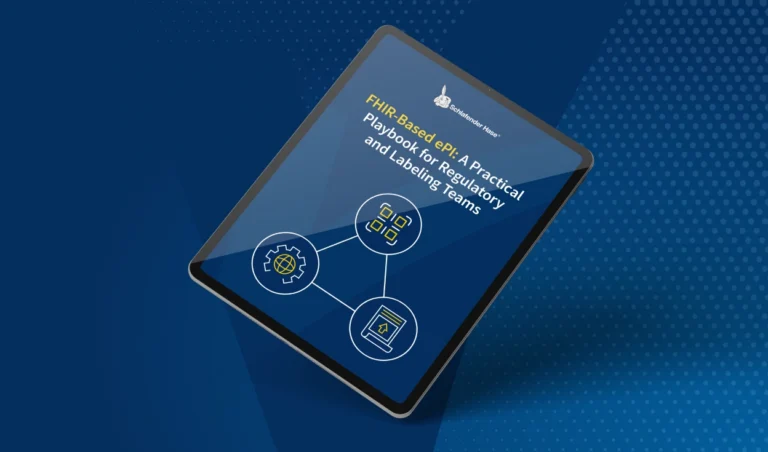
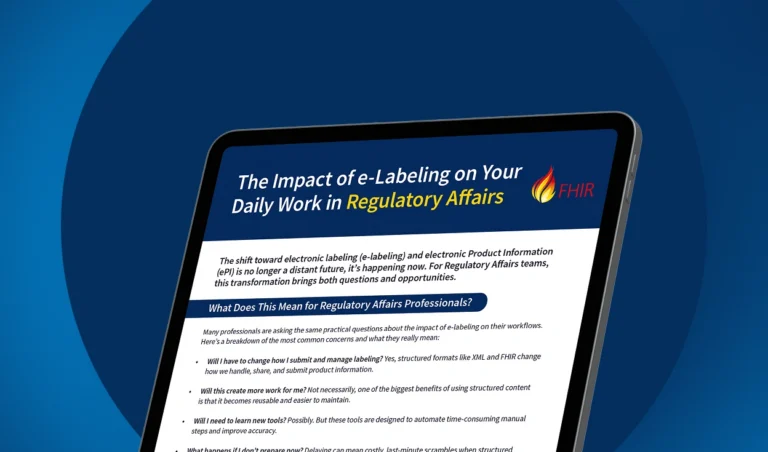
This guide helps you cut through the noise. Whether you’re evaluating early pilots or already working with structured labeling content, it gives you a clear view of where e-labeling stands today and what to prepare for next.
What Is Pharmaceutical e-Labeling?
Pharmaceutical e-labeling refers to the digital delivery and management of product information that has traditionally been provided through printed labels, package inserts, patient information leaflets, and prescribing information.
Depending on the region and regulatory framework, e-labeling may include PDF documents, web-based product information, or structured electronic Product Information (ePI) built using standards such as HL7 FHIR.
The goal is to make approved product information easier to access, update, maintain, and distribute while supporting regulatory compliance and patient safety.
Why Pharmaceutical Companies Are Moving Toward e-Labeling
Several factors are accelerating the shift toward digital labeling:
Faster Safety Updates
Digital content can be updated more efficiently than traditional paper-based materials.
Improved Accessibility
Healthcare professionals and patients can access the latest approved information online.
Multilingual Content Management
Structured content supports more efficient management of global product information.
Regulatory Modernization
Authorities worldwide are evaluating electronic Product Information (ePI) initiatives and structured content standards.
Better Data Reuse
Approved content can be reused across multiple outputs and systems, reducing duplication and manual effort.
Inside the ebook, you’ll learn:
- What’s driving the move toward e-labeling across global markets
- Where regulatory authorities currently stand and what’s still emerging
- How structured content and interoperability are reshaping labeling workflows
- The most common challenges companies face, and how they’re addressing them
- Where proofreading and verification fit into the broader e-labeling ecosystem
This guide is designed for:
• Regulatory Affairs professionals
• Labeling and packaging teams
• Regulatory Operations leaders
• Medical writing teams
• Artwork and content management teams
• Quality and compliance professionals
• Digital transformation and structured content initiatives
What is e-labeling in pharmaceuticals?

E-labeling is the digital distribution and management of approved pharmaceutical product information.
What is electronic Product Information (ePI)?
ePI is a structured form of e-labeling that enables product information to be shared and reused across digital healthcare systems.
Which regulators are adopting e-labeling?
Authorities including the EMA, FDA, MHRA, Health Canada, and others are actively evaluating or implementing digital labeling initiatives.
How does e-labeling affect pharmaceutical labeling workflows?
Teams must manage structured content, digital review processes, version control, and interoperability requirements alongside traditional compliance activities.
Why is content verification important for e-labeling?
As content becomes more structured and reusable, organizations need confidence that approved information remains accurate across documents, systems, and outputs.
Labeling compliance in regulated industries: the complete guide
Labeling compliance in regulated industries