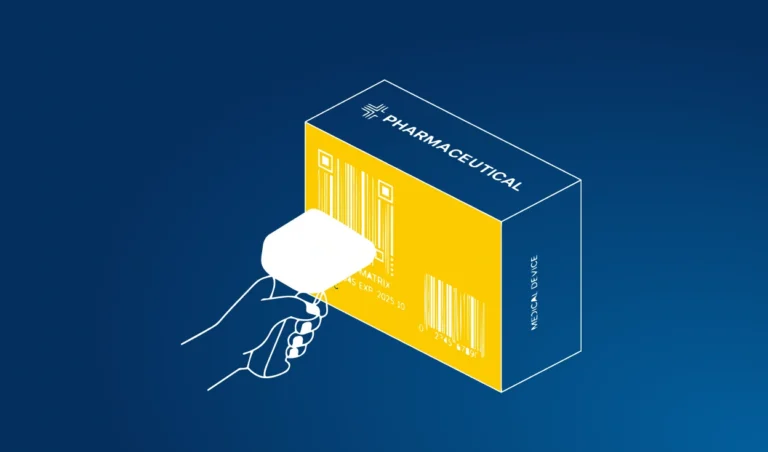
How to ensure barcode accuracy in a fast-moving market



Because one unreadable barcode can stop an entire supply chain in its tracks.
Barcodes do a lot of heavy lifting. They keep products moving, support compliance, and make sure the right items land on the right shelves. But as packaging teams move to digital-first workflows, traditional print grading doesn’t always show the full picture.
That’s where things can get risky.
This guide breaks down how barcode grading really works today and why relying on print-only checks can leave gaps you don’t see until it’s too late. If you work in packaging, labeling, quality, or regulatory, it’ll help you understand what to verify, when to verify it, and how digital grading fits into modern FMCG and CPG workflows.
Clear, practical, and built for real-world packaging pressure.
Why Barcode Accuracy Matters
Barcode errors can create problems across the entire packaging and supply chain process. An unreadable, incorrect, or poorly graded barcode can delay shipments, disrupt retail scanning, create compliance issues, or require costly packaging rework.
For FMCG and CPG teams, barcode accuracy is not just a print quality concern. It is part of packaging compliance, product traceability, and operational continuity.
Barcode Grading vs. Barcode Verification
Barcode grading measures the print quality and readability of a barcode against defined standards. It helps determine whether a printed code can be scanned reliably.
Barcode verification goes further by checking whether the barcode is correct, present, readable, and aligned with the approved packaging content. In digital workflows, this means verifying barcode data before artwork files are sent to print, not only after packaging has been produced.
Inside the ebook, you’ll find:
- How barcodes have evolved and why they’re more complex than they used to be
- What barcode grading actually measures (and what it doesn’t)
- Where print-only verification falls short in digital workflows
- What digital-first grading can reveal before files ever go to print
- What’s next for barcode technology in FMCG and CPG
What is barcode grading?

Barcode grading measures the quality and readability of a barcode based on factors such as contrast, edge definition, modulation, defects, and scan reliability.
Why is barcode accuracy important in FMCG and CPG?
Barcode accuracy helps products move through supply chains, supports traceability, and reduces the risk of rejected packaging, failed scans, or product identification errors.
Is print-only barcode grading enough?
Print grading is important, but it may not catch every issue in a digital-first packaging workflow. Teams should also verify barcode data and artwork before files go to print.
When should barcode verification happen?
Barcode verification should happen before print, during artwork review, and again as part of final quality checks when needed.
How does digital barcode verification help?
Digital verification helps identify barcode issues earlier in the workflow, reducing rework, delays, and the risk of problems being discovered after production.
See how FMCG companies use TVT