The buyer’s guide to content verification software for regulated industries



What to look for – and what to avoid when accuracy isn’t negotiable.
With so many tools promising speed and automation, it can be hard to tell which ones truly reduce risk and which ones quietly introduce new gaps.
This buyer’s guide is written for regulatory, labeling and quality teams who are currently evaluating their options. Whether you’re building a business case or comparing vendors, it helps you focus on the criteria that matter most when compliance, timelines, and product integrity are on the line.
Clear, practical, and designed to support confident decision-making.
Key evaluation criteria for content verification software
When comparing solutions, look beyond feature lists and focus on capabilities that directly impact quality, compliance, and operational efficiency.
Cross-format comparison
Can the software compare content across formats such as Word, PDF, XML, HTML, and artwork files?
Regulatory compliance support
Does it provide audit trails, reporting, and validation support for regulated environments?
Multilingual verification
Can it accurately compare and validate content across multiple languages and character sets?
Artwork and packaging review
Does it support complex layouts, tables, symbols, barcodes, and packaging artwork?
Workflow integration
Can it connect with existing labeling, document management, artwork management, and regulatory systems?
Scalability
Will it support future initiatives such as structured content, e-labeling, and global product launches?
"Since working with TVT, we no longer spend valuable hours checking our texts. Once you know two or three tricks, it's very easy to operate and almost self-explanatory. We would not want to work without it."
Claudia Kasper
Regulatory Affairs Assistant — LundbeckInside the ebook, you’ll find:
- Must-have capabilities for regulated proofreading and content review workflows
- Red flags to watch for during software demos and evaluations
- The right questions to ask vendors, beyond the sales pitch
- Tips for building internal buy-in across QA, RA and operations
- A simple checklist to guide your final decision
What is content verification software?

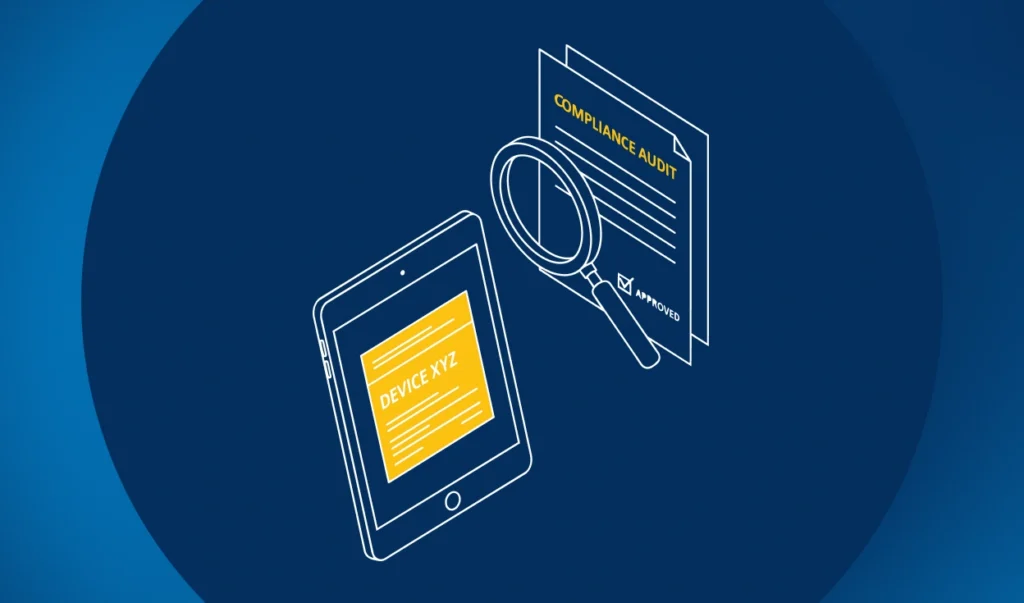
Content verification software automatically compares and validates content across documents, artwork, labels, packaging, websites, and structured data formats.
Learn more about TVTHow is content verification different from proofreading?
Proofreading relies primarily on human review. Content verification software automates comparison and validation tasks while supporting human review workflows.
Why is content verification important in regulated industries?
Errors in regulated content can lead to compliance findings, product recalls, delayed launches, and patient or consumer safety risks.
What industries use content verification software?
Pharmaceutical, medical device, biotech, crop science, food and beverage, cosmetics, and consumer packaged goods organizations commonly use content verification solutions.
See how TVT works in your industryWhat features should I prioritize when evaluating vendors?
Cross-format comparison, multilingual support, audit trails, workflow integration, scalability, and support for regulated workflows should be among the highest priorities.
Integrate your content reviews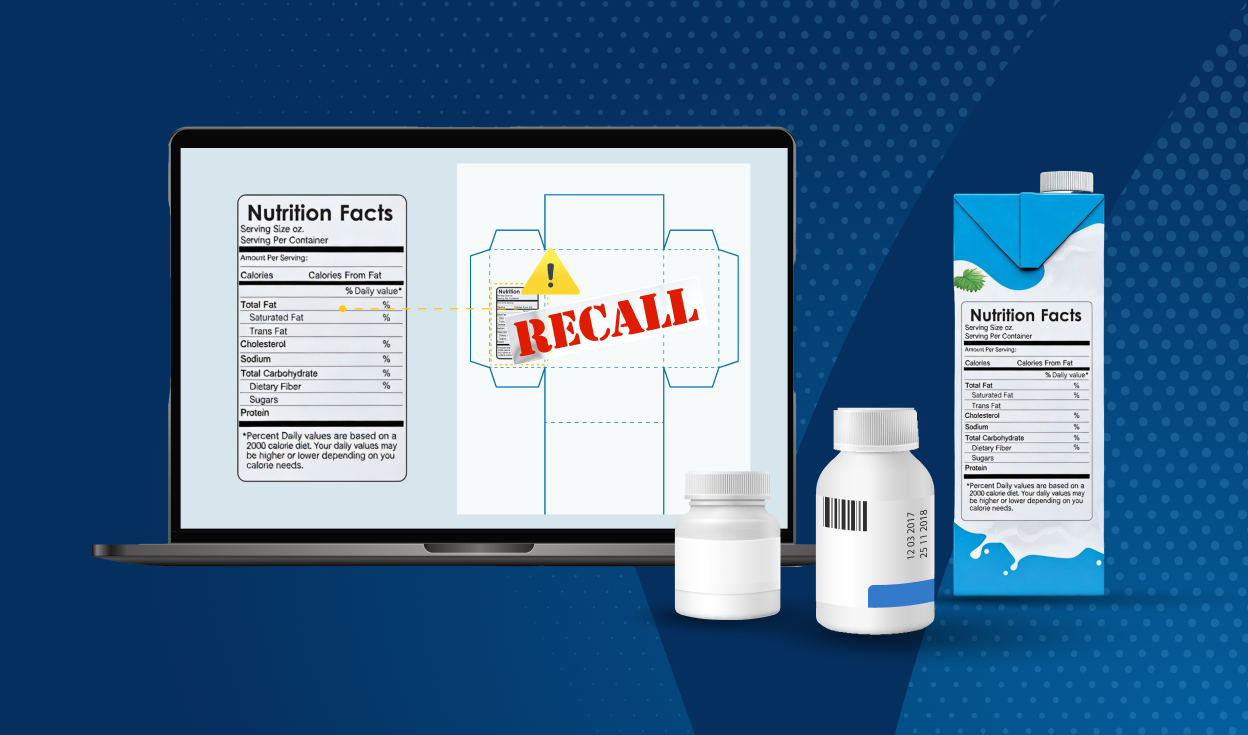
Built for teams who can’t afford mistakes
See how much time and money your team can save by automating proofreading with TVT.
Calculate your ROI with TVT