FHIR-based ePI: A practical playbook for regulatory and labeling teams
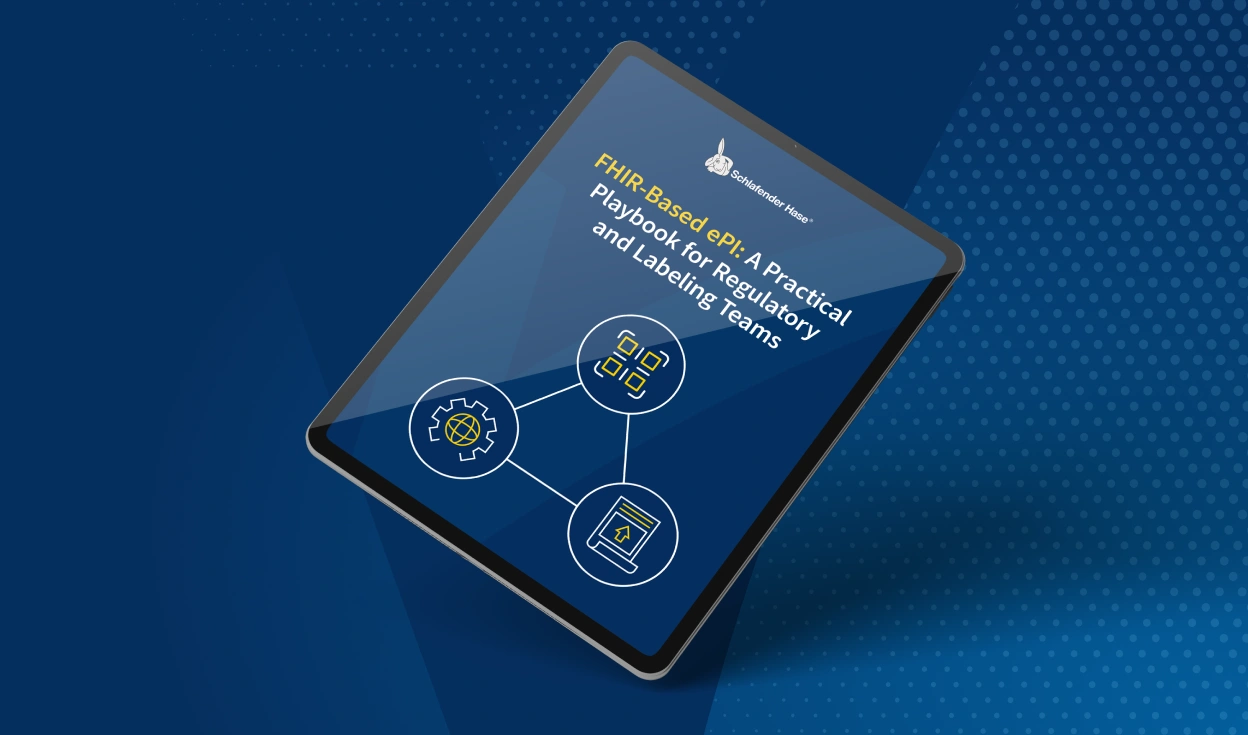



Everything you need to know about the shift to structured e-labeling, definitions, insights, and practical next steps.
Regulators including the EMA, FDA, and MHRA are moving toward electronic Product Information (ePI) built on the FHIR standard. For regulatory and labeling teams, that marks a real shift in how content is created, reviewed, submitted, and maintained over time.
FHIR-based ePI introduces structured, XML-driven content with new expectations around accuracy, consistency, and control. That raises practical questions:
- How will daily workflows change?
- What happens to existing review and submission processes?
- And what can teams do now to prepare, without adding risk or rework?
This playbook brings those answers together in one place. It combines expert insight, real-world feedback from regulatory professionals, and clear guidance to help life sciences teams understand what’s changing and how to respond with confidence.
What is FHIR-based ePI?
Electronic Product Information (ePI) is a structured form of e-labeling designed to make product information easier to manage, update, and share across digital healthcare systems.
FHIR (Fast Healthcare Interoperability Resources) is the global standard increasingly being adopted to structure and exchange healthcare information, including product labeling. Unlike traditional PDF-based labeling, FHIR-based ePI uses structured XML content that can be searched, reused, validated, and integrated into other systems.
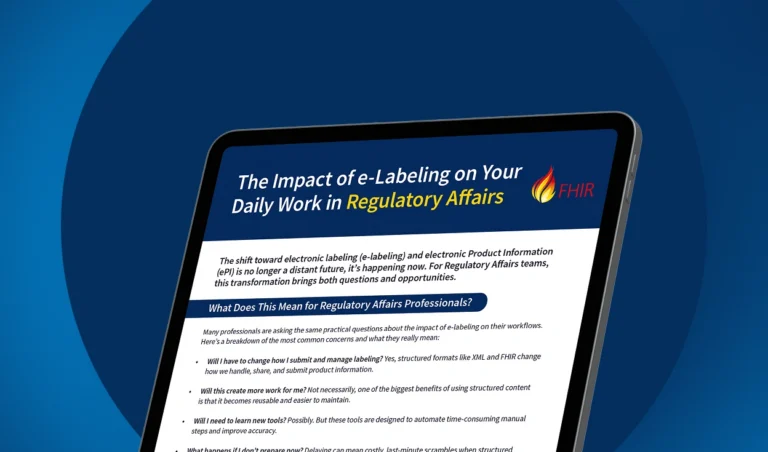
As regulators move toward digital product information, Regulatory Affairs and labeling teams need to understand how structured content will impact review processes, submission workflows, and ongoing compliance requirements.
Inside the ebook, you’ll learn:
- Clear definitions of e-labeling, ePI, and FHIR and how they fit together
- Poll results from 90+ RAPS regulatory professionals
- The five essential capabilities a proofreading solution needs to support FHIR XML
- A global snapshot of where FHIR-based ePI adoption stands today
- A practical checklist to help you start preparing for e-labeling now
Bonus resource:
- Access to an on-demand webinar featuring real-world use cases and lessons learned.
See how pharma teams eliminate labeling errors
Learn how automated verification tools help reduce manual review cycles, prevent costly labeling errors, and support compliant workflows from submission to final packaging.

What is the difference between e-labeling and ePI?

e-labeling is the broad term for digital product information. ePI is a structured form of e-labeling that uses machine-readable formats such as XML.
What is FHIR?
FHIR (Fast Healthcare Interoperability Resources) is a healthcare data standard developed by HL7 that enables structured information exchange between systems.
Which regulators are adopting FHIR-based ePI?
Authorities including the EMA, FDA, MHRA, HSA Singapore, TGA Australia, and Health Canada are actively exploring, piloting, or implementing structured electronic product information initiatives.
Why is structured labeling important?
Structured content supports faster updates, improved consistency, multilingual content management, and easier reuse across regulatory and healthcare systems.
The importance of structured contentHow can Regulatory Affairs teams prepare?
Organizations should begin evaluating their content processes, collaborate with IT and labeling teams, understand structured content formats, and assess whether their current tools can support XML-based workflows.