Barcode compliance guide for regulated industries
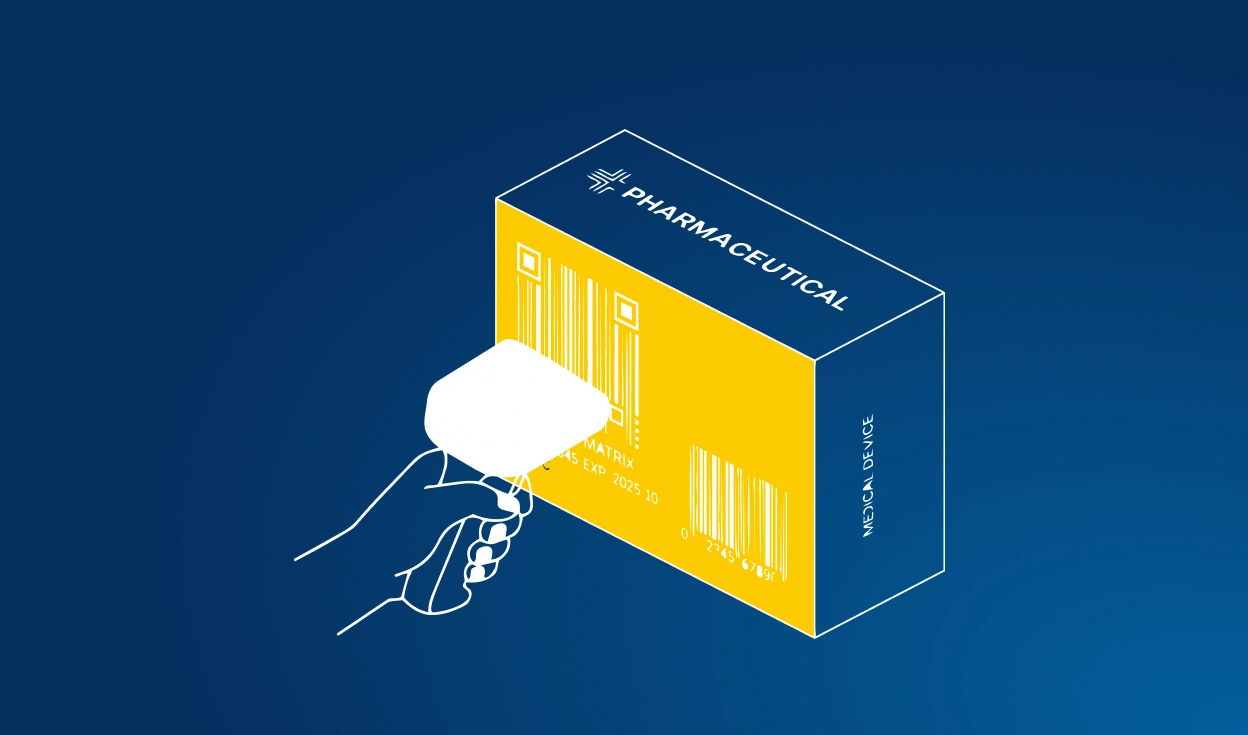



Get it right the first time with barcodes that meet global standards.
Barcodes do more than identify products. They support traceability, keep supply chains moving, and play a critical role in regulatory compliance. In regulated industries, even a small barcode issue can lead to reprints, delayed shipments, or in the worst cases, product recalls.
This guide brings together what teams need to know to manage barcode compliance with confidence, from design and print considerations to grading, verification, and ongoing control. Practical, standards-focused, and grounded in real-world workflows.
Why Barcode Compliance Matters
Barcodes are a critical component of product identification, traceability, and supply chain efficiency. In regulated industries, they also support compliance with industry standards, customer requirements, and market-specific regulations.
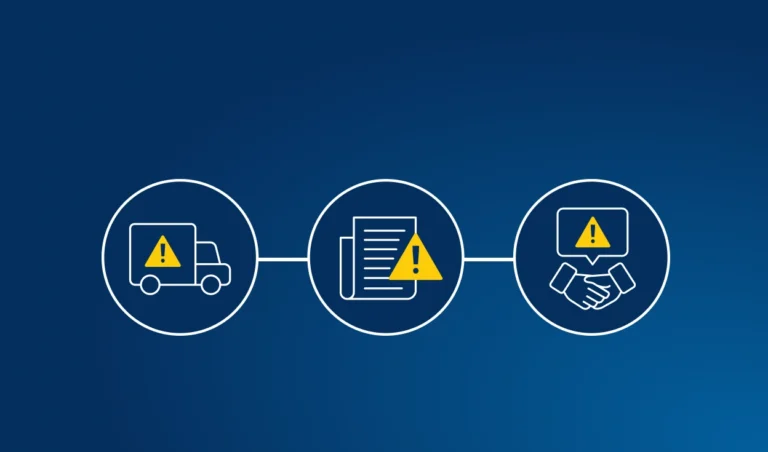
A barcode that cannot be scanned reliably or contains incorrect information can create significant operational and compliance risks. The consequences may include delayed shipments, rejected products, packaging rework, regulatory findings, or product recalls.
Building barcode compliance into packaging and labeling workflows helps organizations reduce risk while maintaining confidence in product distribution and traceability.
The Four Pillars of Barcode Compliance
Standards Compliance
Ensure barcode formats meet applicable GS1, ISO, industry, and customer requirements.
Barcode Quality
Maintain print quality and readability throughout the production process.
Verification and Validation
Implement processes to confirm both barcode data accuracy and scan performance.
Ongoing Control
Monitor barcode performance through documented procedures, audits, and continuous improvement activities.
Inside the guide, you’ll learn:
- Key barcode compliance requirements across global markets
- Common barcode errors that cause rework, delays, and risk and how to avoid them
- Best practices for barcode grading and verification
- Where automation improves accuracy and consistency
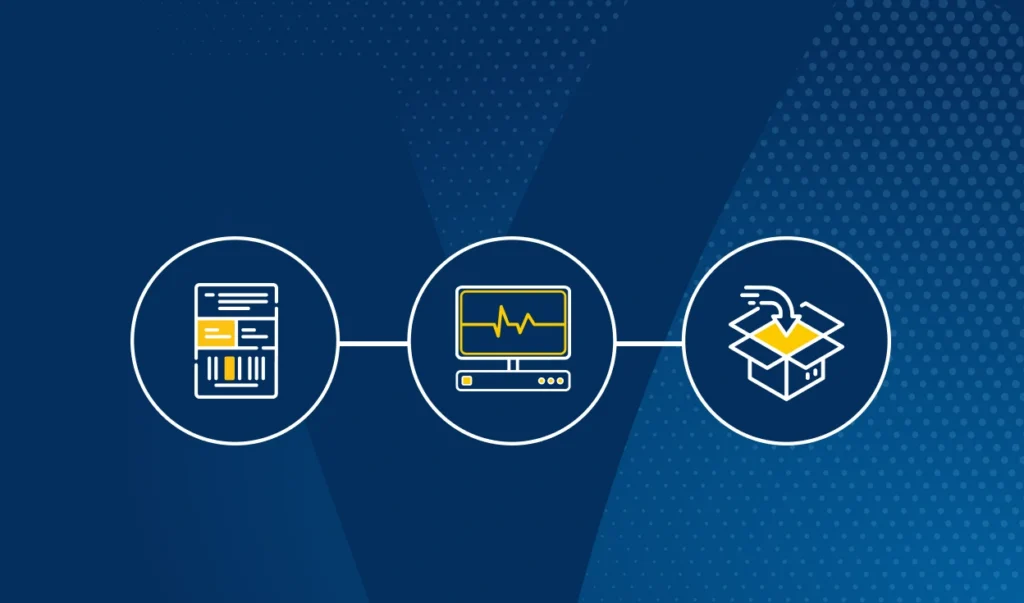
- Steps to build and maintain a robust barcode compliance program
What is barcode compliance?

Barcode compliance refers to ensuring that barcode design, quality, content, and performance meet applicable standards, regulatory requirements, and supply chain expectations.
Why is barcode compliance important?
Compliant barcodes support traceability, product identification, supply chain efficiency, and regulatory compliance while reducing the risk of costly errors.
What standards apply to barcodes?
Requirements vary by industry and region, but many organizations follow GS1 and ISO barcode standards alongside customer-specific requirements.
What is the difference between barcode grading and verification?
Barcode grading evaluates print quality and scan performance. Verification also confirms that the barcode content and data are correct.
How can organizations improve barcode compliance?
Organizations can improve compliance through standardized processes, automated verification, barcode grading, employee training, and ongoing quality monitoring.
See how TVT Barcode works