The FMCG artwork rabbit hole: how to get packaging right first time



What happens when a labelling error goes unnoticed? A lot. Three experts unpacked the real cost of packaging mistakes — and what best-in-class FMCG teams do differently.
What we covered
1. The real cost
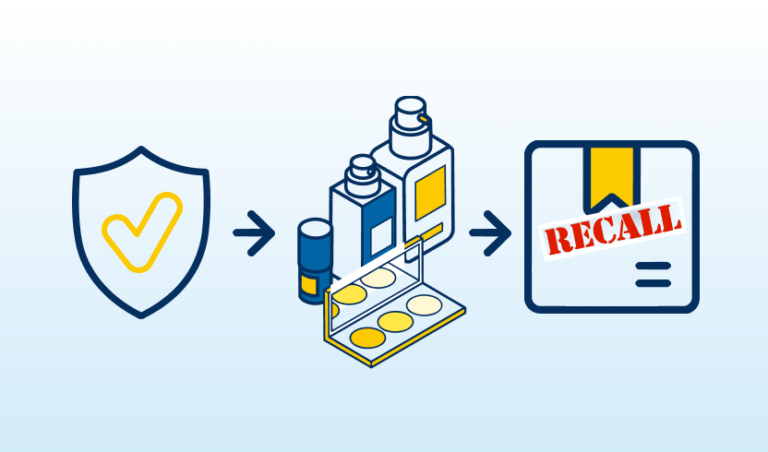
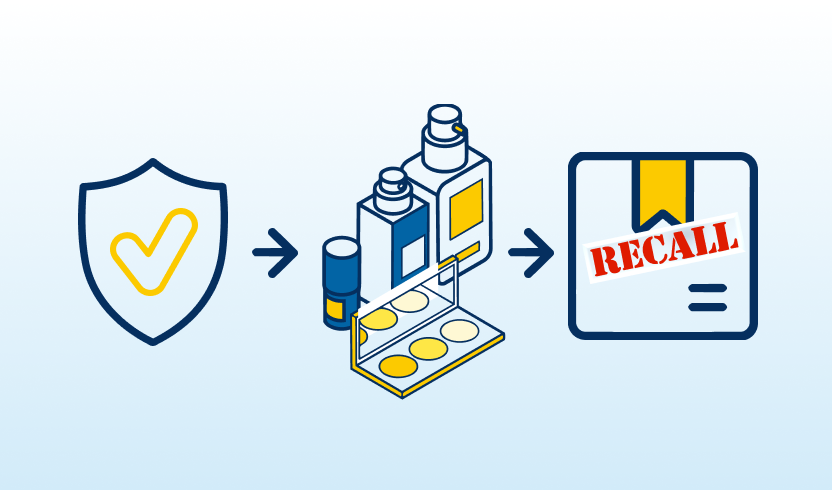
Jørgen walked through the three error types that show up again and again: ingredients and claims errors (the ones that trigger recalls), version control failures (teams printing from a superseded file), and localisation errors in multi-market packs. The damage isn’t only measured in money — brand trust and team reputation rarely fully bounce back.
2. Where errors enter
3. Right first time

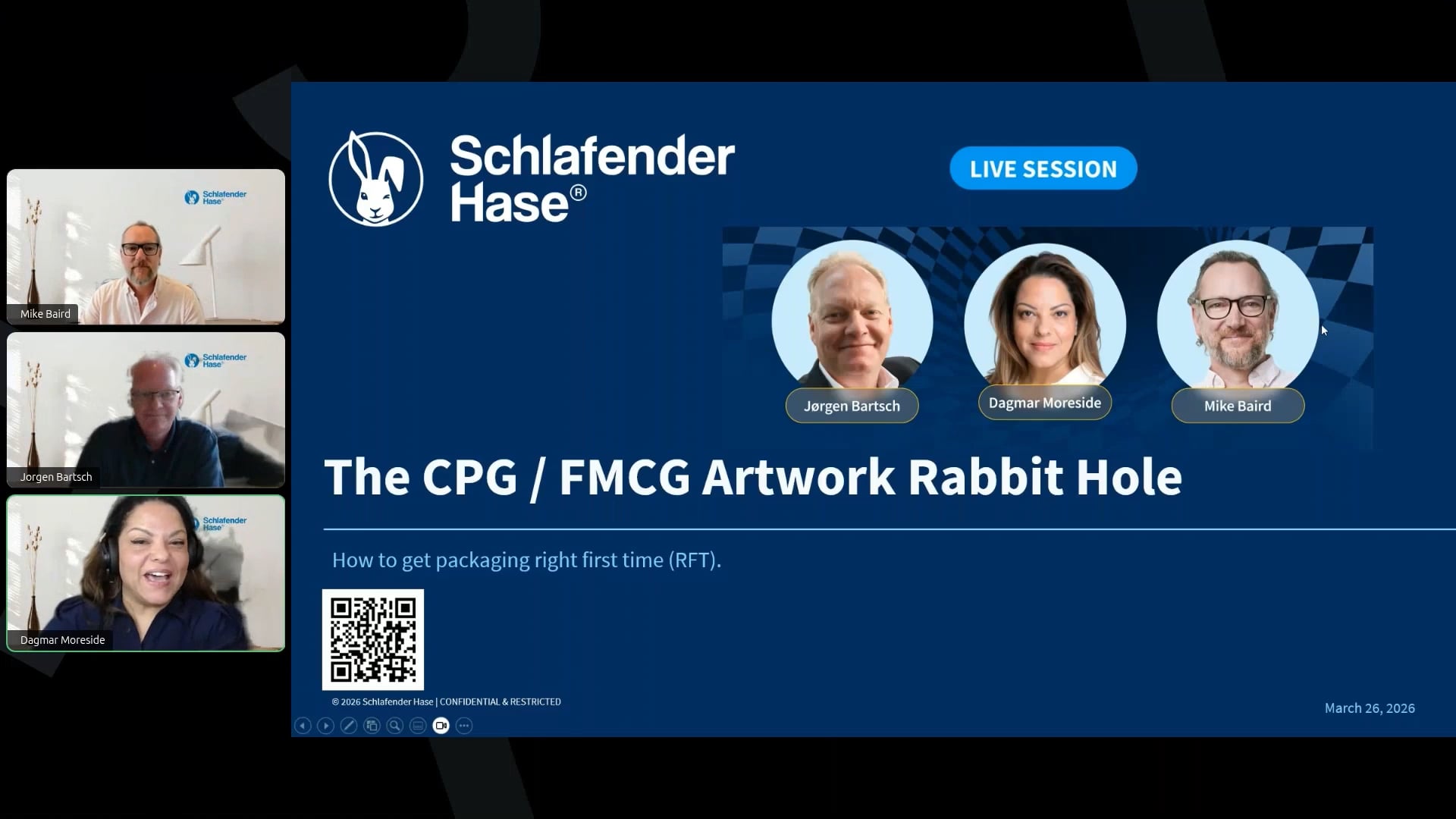
These insights come directly from the webinar discussion with FMCG packaging experts.
They highlight the real scale of the problem: increasing complexity, fragmented workflows, and manual processes that allow errors to slip through. What may seem like small inconsistencies quickly compound across SKUs, markets, and versions—creating risk at every stage of the artwork process.

45.5%
– of all food product recalls are driven by labelling errors
50–70%
– of development time is wasted on manual oversight in some organisations
1 → 47
– how one campaign becomes 47 packaging variants — each a new error opportunity
6–8
– handoff points in a typical FMCG artwork process — each a door for errors to enter
"Packaging is not just a creative output. It's a business-critical, content-rich document — and it needs to be managed like one."
Jørgen Bartsch
Founder & Principal Consultant, Bartsch & CoKey takeaways
- Checking artwork by eye is not a scalable control. 45.5% of food recalls are labelling-driven. Visual review leaves too much room for human error as SKU complexity grows.
- Every manual handoff is a potential error point. The content brief, artwork creation, approval cycle, and pre-press stage each introduce risk — especially without version control and a single source of truth.
- A single source of approved content, cross-functional alignment, and automated verification are the three pillars of right-first-time packaging. Teams that consistently get it right have all three in place before artwork begins.
- PMI-aligned stage gates structure the process and protect timelines. Content sign-off, first artwork review, and pre-press check are non-negotiable checkpoints — not bureaucracy, but error-catching infrastructure.
- Automation scales what people cannot. As SKU complexity grows, teams need systems — not more headcount — to maintain quality. The goal is human reviewers making decisions, not hunting for errors.
Meet the speakers

Dagmar Moreside
Strategic Business Development, CPG/FMCG Lead, Schlafender Hase
Leads GTM strategy at Schlafender Hase, translating CPG/FMCG packaging artwork pain points into content verification use cases. Host & moderator.
Learn More
Jørgen Bartsch
Founder & Principal Consultant, Bartsch & Co
30+ years at Unilever leading packaging artwork and marketing enablement across multiple continents. Expert in end-to-end pack and product lifecycle management.
Learn More
Mike Baird
Director of Product Management, Schlafender Hase
25+ years building software for packaging, labelling, and artwork management leaders across CPG/FMCG, pharma, and medical device sectors.
Learn MoreSee how TVT fits your artwork process
Book a personalised demo — we can even use your own documents instead of our sample files.