From Label to Launch: Controlling Content Accuracy Across the Regulatory Lifecycle
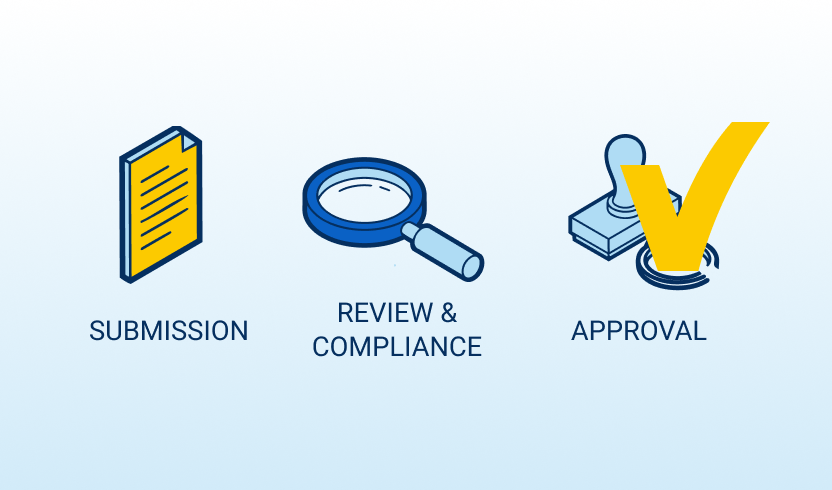



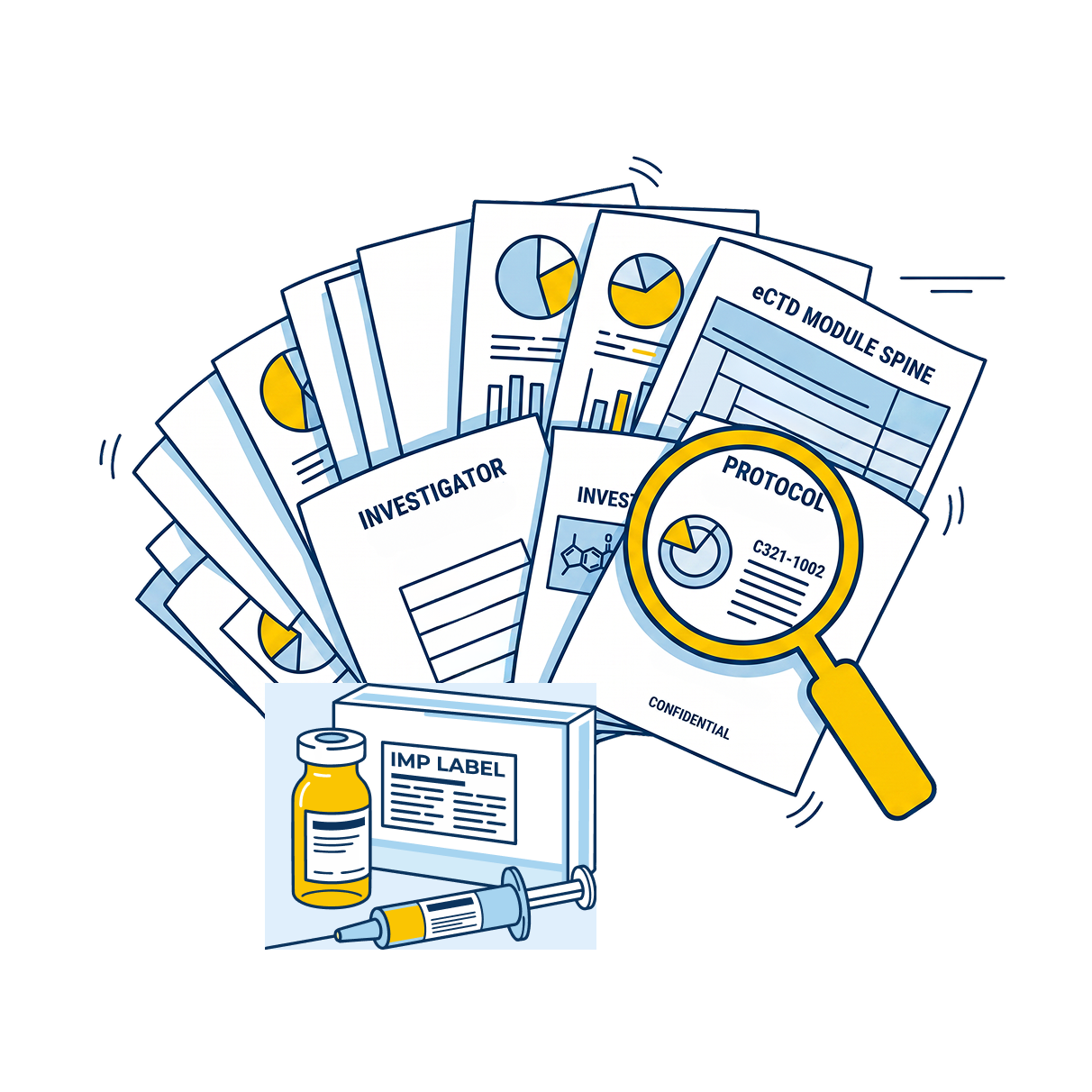
The deviation was there before the label was finalised. It survived protocol review, cross-functional sign-off, and regulatory submission prep. This webinar shows exactly how that happens and what it takes to catch content errors before they reach submission.
The gap no one talks about
Your process works. Until it doesn’t.
Regulatory teams in biotech and pharma work hard to get labeling right. Protocols are reviewed. Documents go through cross-functional sign-off. Version histories are tracked.
But most review processes rely on people checking against earlier versions and people miss things. A dosage unit shifts. A regulatory statement loses a word. A translation introduces an error. None of it looks wrong until it causes a problem.
Version two gets approved. The team moves to version six. The deviation travels with every amendment.
This webinar digs into where those gaps live, why standard review processes can’t reliably close them, and what “actually caught” looks like in practice.
What’s covered:
1. The reality of labeling change complexity
What drives content drift in biotech and pharma — from protocol amendments and safety updates to the 24-language translation crunch that follows every European approval.
2. When workflows fail
How multi-version reviews, cross-functional handoffs, compressed timelines and disconnected systems create the conditions for error — even when everyone is following the process.
3. The compliance framework behind audit readiness
What 21 CFR Part 11, EU Annex 11 and the ALCOA+ framework actually require — and what teams most often miss when an inspector walks in.
"The question isn't whether your team reviewed it. It's whether your process would have caught the thing it was supposed to catch."
Anna Kispál
Product Marketing Manager, Schlafender Hase
Key takeaways
1. Content accuracy is a lifecycle discipline, not a final check
By the time an error reaches artwork review or submission prep, it has usually survived multiple review steps. The teams getting this right are verifying continuously — at every handoff, not just at the end.
2. Every handoff is a vulnerability
From clinical data to core label to regional adaptations to translations, each transfer of ownership creates an opportunity for content to drift. The more parallel the workflow, the higher the risk.
3. The 24-language European crunch is a category of its own
Five working days from a positive CHMP opinion to 24 translated labels — across multiple vendors, affiliates and national health authority requirements. Without a systematic verification process, this is where accuracy breaks down.
4. Inspection readiness is every day — not a sprint before an audit
Regulators don’t distinguish between a document that was reviewed and one that was verified. If you can’t show exactly who touched it, what changed, why it changed, and where the data came from — you’re exposed.
5. The most common Part 11 gap isn’t the core system — it’s the shadow systems
Most teams assume their document management system covers them. What they miss are the local spreadsheets and manual calculations sitting alongside it — untraceable, unvalidated, and invisible to an automated audit trail.
6. A single source of truth isn’t a principle — it’s a process
It requires component-based authoring, structured handoff protocols, and automated verification tools like TVT to enforce it at scale. Without those, it remains an aspiration.
Meet the Speakers:


Anna Kispal
Product Marketing Manager, Schlafender Hase
Anna joined Schlafender Hase’s Product Management team in 2026 with over five years of experience helping life sciences organizations navigate end-to-end regulatory submission processes through technology. In her current role, she works with customers to translate complex business and compliance requirements into innovative and practical solutions.
Learn More
Anna Hanzlikova
Founder & Owner, A-REG
Anna brings over 15 years of experience in global regulatory strategy. As co-founder of A-REG Solutions, she has led regulatory programme at global, regional, and affiliate level including new submission processes and health authority negotiations for complex biologics. She led regulatory authorization efforts for a protein-based COVID-19 vaccine across Europe, Asia, and the Middle East, and is a member of the regulatory working group at Vaccines Europe.
Learn More
Grace Hill
Sr. Director, ReAlta LifeSciences
Grace specializes in regulatory affairs at ReAlta Life Sciences, a clinical-stage biotech developing first-in-class therapies for acute inflammatory and rare diseases. In her role, she navigates complex submission lifecycles for Realta's novel peptide pipeline. Grace brings deep expertise in managing FDA IND filings, orphan drug designation, and fast track frameworks to accelerate therapeutic delivery.
Learn MoreGo deeper on biotech labeling
Understand the full scope of content verification challenges in biotech; from clinical documentation through to submission-ready labels.