Bridging regulatory and artwork teams: preventing packaging errors before they happen


Table of contents

A disconnect between regulatory affairs and artwork teams can have serious consequences. Here’s how it happens, and tips on how to stop it before it starts.
Why this gap matters more than you think
Let’s set the scene: the product is ready to launch, approvals are in place, and everything looks good, until someone catches a small, late-stage change that never made it onto the final packaging. Suddenly, a dosage reads ‘160 mg’ instead of ’16 mg.’ Cue the scramble and the stress.
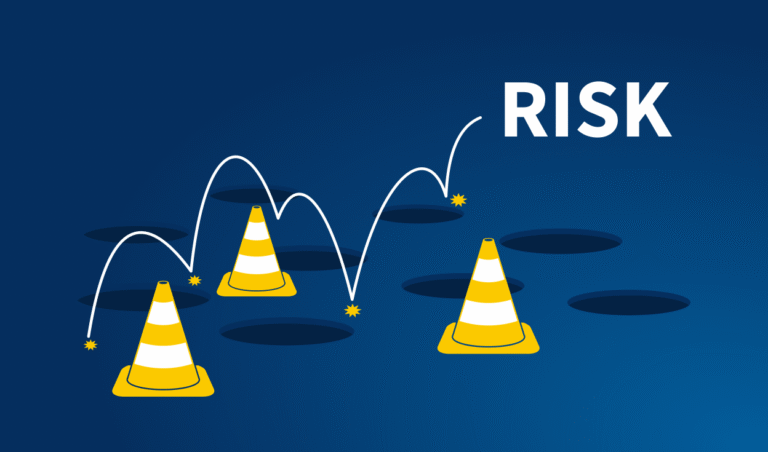
While that example is (thankfully) fictional, an overlooked typo or version mix-ups are anything but rare. And the stakes couldn’t be higher: patient safety, regulatory compliance, launch schedules, and brand reputation are all on the line.
Where things fall apart
By the time packaging and labeling reach their final review, they’ve been through countless revisions. Multiple versions are floating around, proofreaders are exhausted, and the focus starts shifting from content accuracy to how the layout looks. It’s in this chaotic final stretch that errors sneak through.
Typical hand-offs where misalignment happens:
- Regulatory to labeling: Approved information moves from regulatory dossiers into templates.
- Labeling to artwork: Text and layout specifications go to designers.
- Artwork to production: Final files are sent for printing and packaging.
Without strong communication, shared tools, or version control, the hand-offs become high-risk moments. Manual copy-paste steps, disconnected processes, and inconsistent review methods amplify the risk.
When miscommunication goes public
Sometimes the problem doesn’t surface until the product is already in distribution. In one recent case, regulators issued a recall after discovering that the outer cartons of a medication listed the wrong strength, while the tablets inside were correctly labeled and formulated. That kind of mismatch, between what the package says and what’s actually inside, is a perfect example of how small disconnects can lead to significant safety risks once a product reaches patients.
These incidents do more than cause delays or recalls. They confuse healthcare providers, put patient safety at risk, and can lead to fines, production stoppages, and long-term reputational damage.
Manual isn’t good enough anymore
Despite the high stakes, many teams still rely on manual checks, proofreading by eye, copy-pasting content, or passing PDFs back and forth. These approaches slow things down and leave room for human error.
Barcodes are a prime example: they simply can’t be verified visually. And in a world where traceability and anti-counterfeiting measures are mandatory, guessing isn’t an option.
The key to accuracy and confidence
TVT, the content verification platform for regulated industries, provides a single source of truth. It verifies text, artwork, and barcode data consistently across teams and stages, catching errors early and keeping everyone aligned.
By automating review steps, you reduce manual touchpoints, improve accuracy, and ensure that every team is working from the same version. It’s not just safer, it’s faster and far less stressful.
How Dr. Max Pharma improved its workflow
Dr. Max Pharma, a leading private label manufacturer in Central Europe, once relied on manual proofreading for every artwork review, first by the artwork team, then again by Regulatory Affairs. The process was time-consuming and error-prone.
By introducing TVT, they reduced manual checks, transformed multi-language reviews, improved documentation, and increased team confidence across locations.
Best practices for getting it right
Here’s how to keep your regulatory and artwork teams in sync…and your packaging error-free:
- Involve both teams early to avoid misalignment.
- Automate verification steps to reduce manual errors.
- Standardize review processes with shared platforms.
- Enforce strict version control to ensure everyone works from the latest files.
Final thoughts: compliance is a team effort
In regulated industries, accuracy isn’t just a goal, it’s a necessity. By embracing automation, fostering collaboration, and tightening your workflows, you can avoid costly errors and deliver products with confidence. After all, compliance might be serious business but that doesn’t mean it has to feel like swimming against the tide.